
Services
Eye Care Services In Garden City, KS
We offer a wide variety of eye care services to the Garden City community. Contact us with any questions about our services.
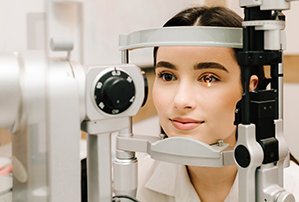
Comprehensive Eye Exam
Routine eye exams are a vital aspect of preventive eye care. Without routine eye exams, vision issues often go undetected since most eye disorders don't have clear symptoms.

Pediatric Eye Exam
A thorough investigation of your child's overall health of the eye and the visual system is important since some childhood vision problems can lead to permanent vision loss if left untreated.

Myopia Management
Myopia is a very common condition around the world, but its prevalence does not mean it should be taken lightly.
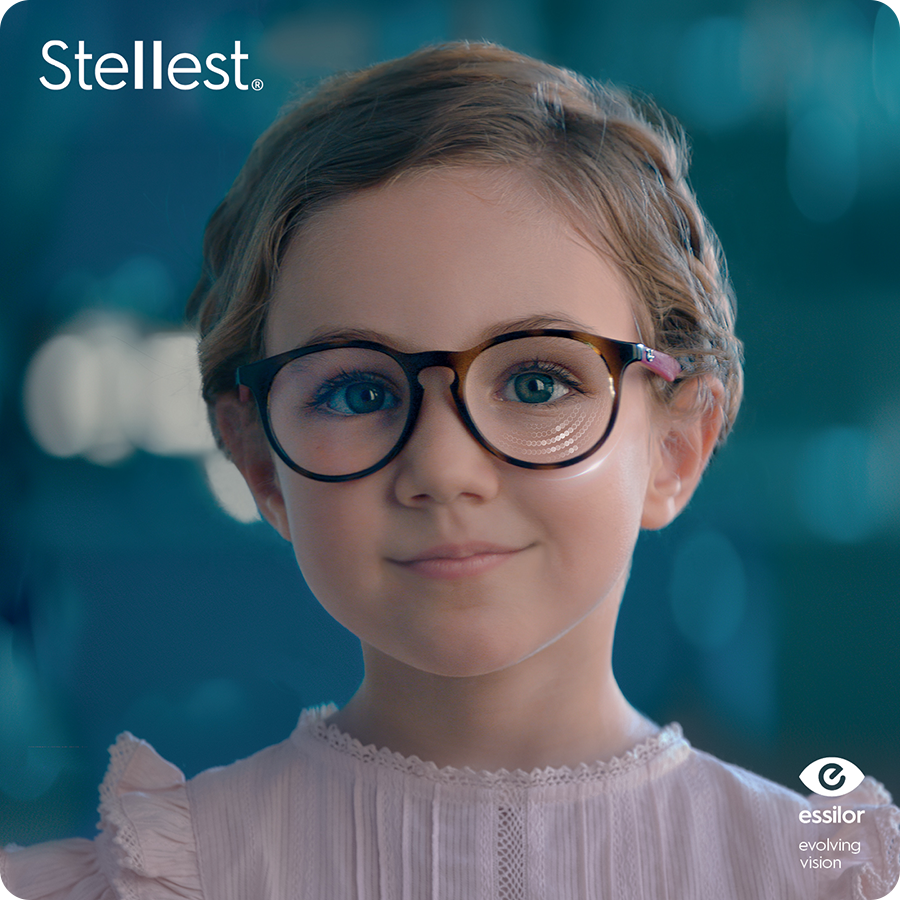
Stellest
Stellest lenses look just like ordinary eyeglass lenses. However, their innovation lies in a patented H.A.L.T. Technology (Highly Aspherical Lenslet Target).
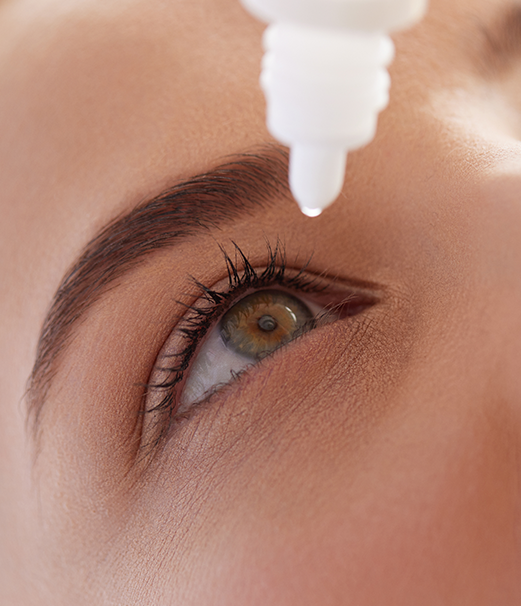
Dry Eye Treatment
Dry Eye can have a major impact on your quality of life. You may find your eyes get tired faster or you have difficulty reading.
Diabetic Eye Exam
You have almost certainly heard of diabetes, which is one of the most common chronic health conditions in the United States, with an estimated 100 million adults currently living with diabetes or pre-diabetes. This metabolic disorder occurs when the body is no longer able to regulate its own blood sugar levels and requires intervention to keep them stable.
Cataract
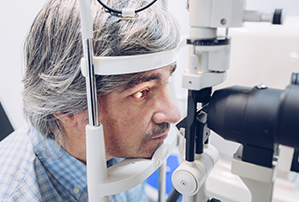
If you’ve been diagnosed with cataracts, you may wonder if cataract surgery is right around the corner. Not to worry. There are many preventive steps you can take to slow the progression of cataracts and preserve your vision. That doesn’t mean you won’t eventually need surgery, but you can at least delay the need for quite a while.
Glaucoma
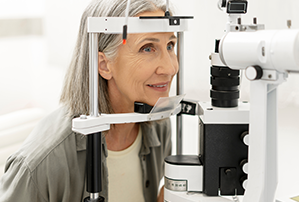
If you’ve been diagnosed with glaucoma, you’re probably already familiar with the typical options in glaucoma treatment – eye drops, laser treatment, or traditional surgery. While these are certainly effective, especially when glaucoma is diagnosed early, researchers have been working hard to offer new glaucoma treatments.
Macular Degeneration
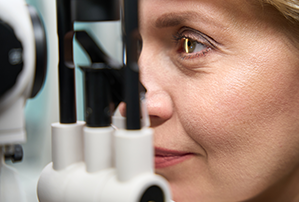
Macular degeneration, commonly referred to as age-related macular degeneration (AMD), is the single largest cause of sight loss in the developed world and affects more than 10 million Americans.

Digital Eye Strain
Just a few decades ago, computer vision syndrome (CVS) was not known or understood. However, with an increase in the role of computers in our lives, it has become an increasingly common issue. Researchers believe that 50-90% of people who use computers in their daily lives have experienced CVS to some degree. The amount of time that many people stare into a computer screen is increasing, which puts significant strain on our eyes.

Contact Info
Office Address: 2602 N Cherokee Rd
Garden City, KS 67846
Garden City, KS 67846
Call Or Text (620) 276-3381
Office Hours
- Monday 8:00am - 5:00pm
- Tuesday 8:00am - 5:00pm
- Wednesday 9:00am - 5:00pm
- Thursday 8:00am - 5:00pm
- Friday 8:00am - 5:00pm
- Saturday Closed
- Sunday Closed
© 2026 Garden City Optometrists. All rights Reserved. Accessibility Statement - Privacy Policy - Sitemap
Powered by:
